Quality & Accreditation
ISO/IEC 17025 Accreditation: Why Your Test Lab Choice Matters
In brief ISO/IEC 17025 is the international standard for testing and calibration laboratory competence. Accreditation to it — by INAB in Ireland — means a national authority has independently verified the laboratory’s methods, equipment, staff competence and impartiality for a defined scope of tests, with results recognised internationally through ILAC. ISO 9001 certifies a management system; ISO/IEC 17025 accreditation verifies technical competence — they are not equivalent.
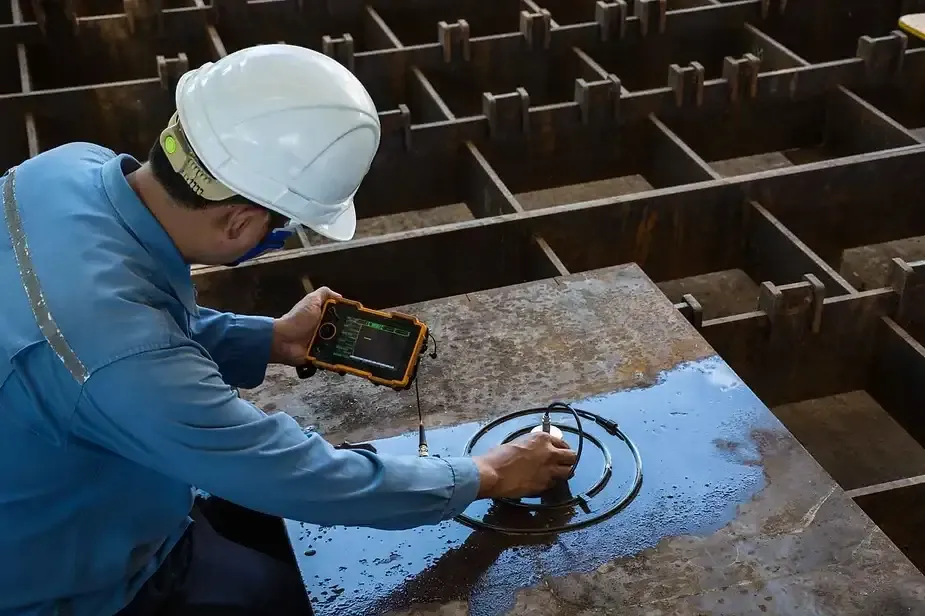
Two laboratories quote for the same testing. One is noticeably cheaper. The reports will look almost identical — a number, a standard, a signature. The difference that matters is invisible on the page: whether anyone independent has ever verified that the laboratory can actually do what the report claims. That verification is ISO/IEC 17025 accreditation, and this is what it does and does not mean.
What ISO/IEC 17025 is
ISO/IEC 17025 — General requirements for the competence of testing and calibration laboratories — is the global benchmark for laboratory competence. It addresses two things a quality certificate alone cannot:
- Technical competence: validated methods, calibrated and maintained equipment, measurement traceability and uncertainty, competent authorised staff, controlled environments, defensible reporting.
- Impartiality: structures ensuring results are not influenced by commercial pressure — the lab reports what it measures.
Accreditation is the formal, ongoing assessment of a laboratory against this standard by a national accreditation body — in Ireland, INAB (the Irish National Accreditation Board). Assessment teams include technical experts in the disciplines assessed; surveillance continues for as long as the accreditation stands.
Certification vs accreditation — the distinction that buyers miss
The single most common confusion in specifications:
| ISO 9001 certification | ISO/IEC 17025 accreditation | |
|---|---|---|
| What is checked | The management system | Technical competence for specific tests |
| Who checks | A certification body | The national accreditation body (INAB) |
| Granularity | Whole organisation | A defined, published scope of activities |
| International standing | System recognised | Results recognised through the ILAC mutual arrangement |
| Says the number is right? | No | That is exactly the point of it |
A laboratory can be ISO 9001 certified and technically wrong all day, in a perfectly documented way. Accreditation exists to close that gap.
The scope is the product
Accreditation is never blanket — it attaches to a scope: the specific tests, methods and materials assessed. Two practical consequences:
- Read the scope, not the logo. “INAB accredited” in a footer tells you little until you know which activities the registration covers. Every scope is public on inab.ie.
- Ask where your test sits. A competent laboratory will tell you plainly whether a given test is inside its accredited scope — and if not, what that means for your use of the result.
Metlab holds three INAB registrations, one for each pillar of conformity assessment: 398T (ISO/IEC 17025, laboratory testing), 9031 (ISO/IEC 17020, inspection body — approval of permanent joining procedures under the Pressure Equipment Directive) and 7007 (ISO/IEC 17024, certification of persons — welders and plastics welders) — alongside appointment as a Recognised Third-Party Organisation under the Pressure Equipment Directive. We send scope documents to anyone who asks, because that is the entire point of having them.
When to insist on accredited results
Any time a number will be relied on, specify accreditation:
- Contractual acceptance — concrete strength, materials conformity, weld coupon testing behind WPQRs and welder certificates.
- Statutory and safety work — examinations and tests that regulators, insurers or the HSA may review.
- Disputes and investigations — failure analysis destined for a negotiation table or courtroom; unaccredited results invite the first challenge.
- Anything international — ILAC mutual recognition means accredited results travel across borders without re-testing.
The specification clause is one line: “Testing shall be performed by a laboratory accredited to ISO/IEC 17025 for the tests concerned.” It costs nothing to write and removes an entire class of argument later.
The questions that expose a weak lab in five minutes
- What is your accreditation registration number, and can I see the current scope?
- Is this specific test inside that scope?
- Who authorises results, and what are their qualifications?
- When was your last INAB surveillance visit?
- How is impartiality protected when the client wants a particular answer?
A serious laboratory answers all five without blinking. Anything defensive is its own answer.
Metlab has been accredited, assessed and re-assessed for decades — testing, inspection and certification under one quality system since 1982. If your specification deserves defensible numbers, start with the scope: ask us for it.
Frequently asked questions
What is the difference between ISO 9001 certification and ISO 17025 accreditation?
ISO 9001 certifies that an organisation runs a compliant quality management system — it says nothing about whether a specific test is performed competently. ISO/IEC 17025 accreditation is a national accreditation body’s formal attestation of technical competence to perform specific tests, assessed by technical experts and re-assessed continually. For laboratory results, accreditation is the higher and more relevant bar.
How do I check if a laboratory in Ireland is accredited?
Search the INAB directory of accredited bodies (inab.ie). Every accredited laboratory has a registration number and a published scope listing exactly which tests are covered. Metlab’s testing laboratory registration is 398T, alongside inspection body accreditation (9031) and certification of persons (7007). Always read the scope — accreditation applies to listed activities, not to everything a company sells.
Does every test need to be accredited?
No — and honest labs are clear about which of their activities are inside scope. But where results carry contractual, statutory or safety weight (concrete acceptance, weld qualification testing, statutory examinations), specifying accredited testing is the cheapest risk reduction available: it makes the result defensible in front of any auditor, insurer or court.